Voters favored limiting data centers in 40 of 41 local ballot measures
4 min readBy W. Soares

Voters favored limiting data centers in 40 of 41 local measures on Nov. 3. Ohio hosted 21 contests; Harwood, N.D., was the exception, Ballotpedia found.
Voters favored limits on data-center development in 40 of 41 local ballot measures decided on November 3, 2026, Ballotpedia reported on November 6. The one exception was Harwood, North Dakota, where voters defeated a proposed review requirement for certain developments, including data centers.
That local map is the political root of this week's AI-infrastructure story: communities used the ballot to slow or block projects over power, water, land use, and jobs. It is also the backdrop for OpenAI's post-election siting pledges and for the Nov. 5 market selloff in AI and chip stocks.
What did the 41 measures actually do?
Ballotpedia split the Nov. 3 results into two groups.
Voters approved 27 measures that limited data-center development or expressed opposition to it. Those included:
- Five full bans — one in California, one in Florida, and three in Ohio
- Twelve partial bans — three in Kansas, one in Maine, and eight in Ohio, including bans with only narrow exceptions or bans on large facilities only
- Three six-month moratoriums, all in Maine
- Two zoning measures in Adams County, Ohio, that apply ordinary zoning rules to unincorporated areas, so a site would have to be zoned for a use consistent with a data center before construction could proceed there
- Two non-binding measures in Illinois expressing opposition
- Two voter-approval requirements: Grove City, Ohio, Issue 28 (approval for developments, including data centers, using more than 50 acres, 20 megawatts, or 500,000 gallons of water a day, plus enforceable community-impact standards) and a Janesville, Wisconsin, measure requiring voter approval for development of a proposed GM/JATCO data-center site if its cost exceeds $450 million
- One financial-guarantee measure: Perry, Ohio, Issue 16, which requires hyperscale developers seeking certain tax incentives to provide financial guarantees to the community
Voters defeated 13 measures that would have favored data centers or expressed support for development. Those included seven non-binding support measures (five in Illinois, one in New Jersey, and one in Ohio); four rezoning measures in Wilmington, Ohio, that would have changed specific parcels from residential to industrial use; a measure in Boulder City, Nevada, that would have added data centers as an approved use on a particular site; and an Ashville, Ohio, referendum on a term summary guiding village negotiations with EdgeConneX.
Add those 27 approvals and 13 defeats, and voters favored limits in 40 contests. Harwood was the 41st.

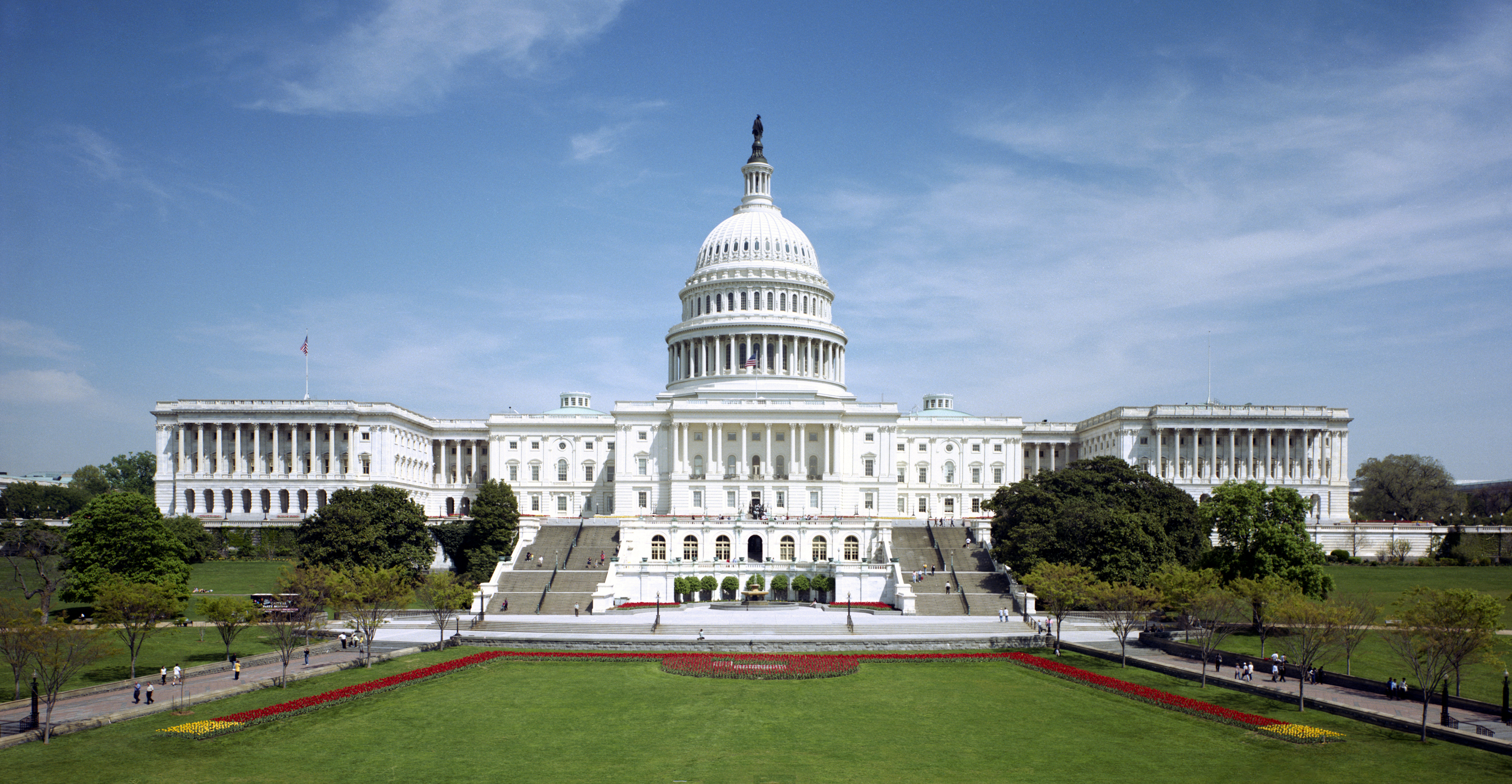
Image: The Nov. 3 local ballots turned data-center siting into a yes-or-no vote in communities across several states. — ScOtT via Wikimedia Commons, CC BY-SA 4.0
Did Ohio really account for 21 of the measures?
Yes, on Ballotpedia's itemized list. Ohio appears in 21 of the 41 Nov. 3 contests: three full bans, eight partial bans, two Adams County zoning measures, Grove City Issue 28, Perry Issue 16, four Wilmington rezoning votes, one Ohio non-binding support measure, and the Ashville EdgeConneX term-summary referendum.
That matches the pitch figure and Ballotpedia's description of Ohio as the largest cluster of these fights. Axios, writing from earlier returns on November 4, also said Ohio hosted the largest share.
Why are voters pushing back?
Axios described a broader revolt against an AI buildout that residents associate with higher energy and water costs and few local jobs. Ballotpedia's catalog shows the same themes in the text of the measures themselves: electricity (Grove City's 20-megawatt trigger), water (500,000 gallons a day), acreage, tax incentives, and zoning.
Not every measure is a legally binding ban. Several Illinois questions were advisory. A defeat of a pro-development rezoning still blocks a specific site without writing a statewide moratorium. The practical effect depends on the measure — which is why the 40-of-41 headline is a political signal, not a single new national rule.

Image: Local measures targeted large computing facilities over land, power, water, and tax breaks. — Faber via Wikimedia Commons, CC BY-SA 2.0
What happens next — and how this connects to policy and markets
Ballotpedia noted that voters had already favored limits in all six local data-center measures decided before Nov. 3. In December, voters will decide two more in Clarksville, Arkansas, and one in Mandan, North Dakota.
State elections sit alongside those local votes. Axios reported that Texas governor-elect Gina Hinojosa campaigned on keeping a data-center construction moratorium in place until the state passes legislation on water, electricity, air, and property-rights impacts, in a legislative session that ends in mid-2027. Those are campaign commitments described by Axios, not proof that every proposed Texas project has been stopped.
OpenAI on November 5 published a National Community Compact and a policy blueprint aimed at the same conflict — paying for power and infrastructure, reporting water and electricity use, and dropping NDAs with public officials. See Tiggree's explainer on that package. Investors treated the combined local and state signal as a risk to the AI-infrastructure trade; the closing figures are in Tiggree's Nov. 5 market update, and the mechanism behind that pricing is a separate analysis.
Conclusion
The Ballotpedia count is specific: voters favored limiting data centers in 40 of 41 local measures on Nov. 3, including a large Ohio cluster, with Harwood, North Dakota, as the exception. The tools ranged from outright bans to advisory "no" votes and defeated rezonings.
Takeaway: Data-center opposition is now a documented local-ballot majority, not only a campaign talking point — and companies still have to clear zoning boards, utility rules, and, in some towns, another vote.
Sources
- Voters favored limiting data center development in 40 of 41 local ballot measures on Nov. 3 — Ballotpedia
- Voters deliver "AI earthquake," rebuking tech and billionaires — Axios
By W. Soares
Educational content only. Nothing here is investment advice.