OpenAI Shifts Data-Center Policy After Anti-AI Election Backlash
6 min readBy W. Soares

After midterm defeats for pro-data-center measures, OpenAI pledged to pay for power, engage communities, publish plans, and drop official NDAs.
Two days after voters delivered a broad rebuke of rapid AI data-center expansion at the ballot box, OpenAI published a sharper set of commitments for facilities it owns and operates—and a policy blueprint asking lawmakers to write similar rules into law.
The story matters beyond one company’s PR cycle. AI labs need megawatts and local consent; midterm results suggest both are getting harder. Here is what OpenAI actually pledged, what the election showed, and what to watch next.
What OpenAI committed to
According to CNBC (November 5, 2026), OpenAI reaffirmed that it will pay the full cost of powering data centers it owns and operates, and published commitments that include:
Image: OpenAI published new data-center commitments after the midterm backlash. — Jernej Furman from Slovenia via Wikimedia Commons.jpg), CC BY 2.0
- Soliciting community input around projects
- Publishing construction plans
- Protecting ratepayers
- Avoiding non-disclosure agreements with public officials
In a companion policy blueprint, OpenAI encouraged policymakers to enact similar commitments as law. Chief Global Affairs Officer Chris Lehane told reporters the blueprint captures lessons learned and aims to set a “very high floor” for how projects move forward. He said the blueprint had been in the works since August and followed dozens of conversations with lawmakers and candidates.
CNBC notes that other major AI/tech firms—including Meta, Microsoft, Google, and Anthropic—have outlined several similar commitments. OpenAI presents this package as building on earlier ratepayer-protection and community-investment pledges from 2026.
What the midterms signaled
CNBC’s election read-through is blunt: on Tuesday, Americans issued a “stinging rebuke” of data centers at the polls. Out of 41 local ballot measures across 10 states, voters backed restrictions or rejected pro-development measures in all but one, per an analysis by Ballotpedia plus additional results gathered by CNBC.

Image: Power costs and ratepayer protection are at the center of the data-center fight. — Kkiefuik via Wikimedia Commons, CC BY 4.0
Opposition intensified over the summer across party lines. CNBC links the backlash to household pressure from inflation and energy prices, plus fears that facilities could worsen environmental harms, raise utility bills, and contribute to job anxiety. For many voters, data centers became a concrete symbol of broader AI unease.
That local map matters for national politics after Democrats’ midterm gains—and it is already showing up in market pricing for chips and data-center proxies (see Tiggree’s Nov 5 markets analysis).
Why OpenAI is moving now
OpenAI and peers are racing to secure compute. CNBC recalls that in February, OpenAI told investors it is targeting $600 billion in total compute spend by 2030, and has announced large projects in Georgia and Ohio. Community vetoes, slower interconnection, and ratepayer revolts are direct threats to that timeline.
Lehane’s timing argument was procedural as well as political: doing the policy work now, before a new Congress settles in late January, keeps momentum when lawmakers return.
What is useful vs. what is still vague
Useful, concrete pledges
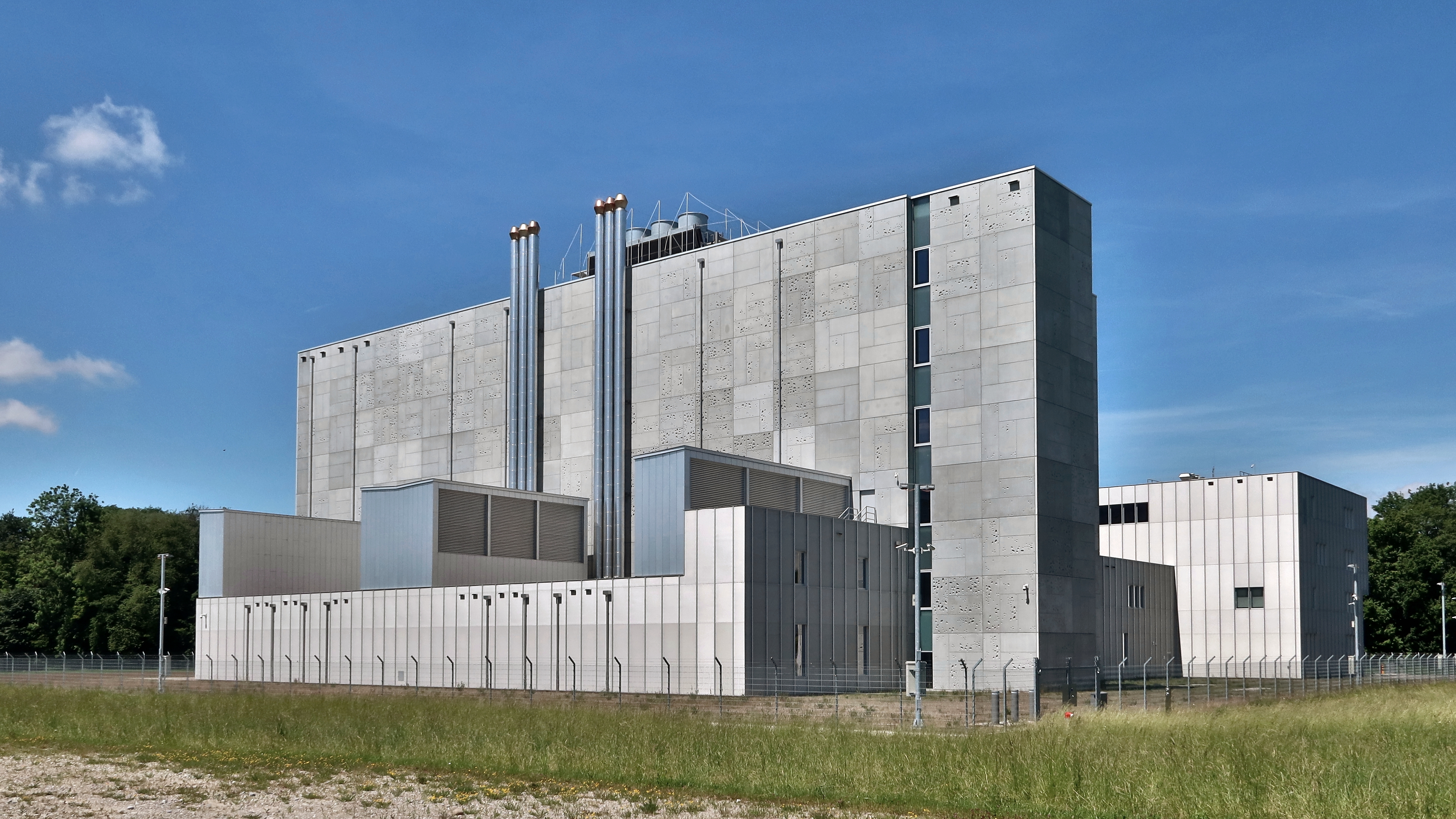
Image: Communities are pushing back on rapid data-center expansion. — Kecko from Eastern Switzerland via Wikimedia Commons.jpg), CC BY 2.0
- Paying for power (reduces the “households subsidize AI” attack line—if enforced and audited)
- Publishing plans (harder to ambush communities late)
- Dropping NDAs with officials (more sunlight on negotiations)
- Asking for matching statutes (moves norms toward enforceable rules)
Still watch-listed
- How “community input” is defined—consultation vs. consent
- Whether commitments extend cleanly to partner-owned or joint-venture sites, not only OpenAI-owned/operated sites
- Verification: who audits ratepayer protection claims?
- Interaction with state utility regulation and local zoning that already decide most siting fights
Practical takeaways by audience
Local officials and residents: Use the published-plans and no-NDA norms as a minimum ask for any large AI load interconnecting to the grid—regardless of which lab is behind the project.
Enterprise AI buyers: Concentration risk now includes political and utility risk, not only GPU supply. Diversify regions and ask vendors how they handle community agreements and power cost pass-throughs.
Investors: Policy blueprints do not remove permitting risk. Track ballot outcomes and utility commission cases alongside capex guides.
How this fits the wider AI politics cycle
OpenAI’s announcement lands in the same news cycle as equity pressure on data-center and semiconductor names. Markets are pricing a higher odds that local opposition plus a less industry-friendly Congress slow interconnection and construction. A corporate blueprint cannot repeal zoning boards or utility dockets—but it can reduce unforced errors (secret deals, surprise filings, ratepayer sticker shock) that fuel the next ballot measure.
For editors and readers tracking the theme across Tiggree’s Politics and Finance sections, the through-line is straightforward: compute growth is now a voter issue, not only an investor theme. Companies that treat community process as optional are volunteering to be the next campaign ad.
A short checklist for evaluating the next lab pledge
- Does it cover partner and leased capacity, or only owned sites?
- Is “pay for power” defined as new generation, special contracts, or bill credits—and who verifies it?
- Are construction plans published early enough to matter, or after key permits?
- Will the company support state/federal disclosure rules even when competitors do not?
- What happens when a community says no—relocate, redesign, or litigate?
Those questions turn press releases into diligence.
Conclusion
OpenAI’s post-election package—pay for power, engage communities, publish plans, end official NDAs, and invite matching laws—is a direct response to ballot-box hostility toward data centers. It raises the industry’s stated floor. Whether it rebuilds trust depends on enforcement and on how partner sites behave, not on the press release alone.
Takeaway: Treat OpenAI’s blueprint as the new baseline for AI siting politics: power paid for, plans public, fewer secret official deals—and assume local voters still hold veto power.
Sources
By W. Soares
Educational content only. Nothing here is investment advice.