Russia's reported peace terms: NATO off the eastern flank, no nuclear sharing, no arms for Ukraine
4 min readBy W. Soares
A Russian position paper reported by The New York Times demands NATO pull troops from Poland and the Baltics, end nuclear sharing and halt arms to Ukraine. Poland's Tusk called it a direct threat.
Russia has put a set of security demands that go well beyond Ukraine back on the negotiating table, according to a Russian position paper reported by The New York Times. Per the Times' reporting, as relayed by Kyiv Post and Hromadske, the demands include:
- Pulling NATO troops off the alliance's eastern flank.
- Ending NATO nuclear sharing.
- Halting Western weapons for Ukraine.
- Letting Ukraine join the European Union only if it stays out of the bloc's common defense policy.
The paper surfaced around the November 12 talks in Moscow between Vladimir Putin and U.S. envoys Steve Witkoff and Jared Kushner. Here is what was reported, and what wasn't.
For background on the Moscow meeting, see our earlier post: Witkoff and Kushner meet Putin after Abu Dhabi talks yield a large prisoner swap deal.
What the document reportedly says
According to the NYT's reporting as relayed by Kyiv Post, the unsigned Russian document calls for:
- Withdrawing NATO troops from the eastern flank, including Poland and the Baltic states. That means a rollback to the alliance's 1997 positions, before its expansion into Central and Eastern Europe.
- No further NATO enlargement, and no "any military activity" in Ukraine, Eastern Europe, the South Caucasus and Central Asia.
- Ending NATO nuclear sharing, under which U.S. nuclear weapons help defend European allies. It also calls for barring France and the U.K. from using their nuclear deterrents to protect other European countries.
- A complete halt to Western military assistance to Ukraine, including weapons, equipment and defense products.
- EU membership for Ukraine only without the common defense policy.
Hromadske, summarizing the Times, said the document has no letterhead or signature and is dated November 10. It said the paper was circulated during the Abu Dhabi talks and represents Russia's opening negotiating position, not a formal agreement. Two people familiar with the talks told the Times that Russian officials suggested Putin could still show "flexibility," Kyiv Post reported.
Why it sounds familiar
Kyiv Post said Putin repeated positions word for word from December 2021. That was when Moscow sent "draft treaties" to the U.S. and NATO, two months before its full-scale invasion of Ukraine.
The BBC's Moscow-based Russia editor, Steve Rosenberg, wrote that those 2021 proposals are now being quoted again by the Kremlin. After the talks with Witkoff and Kushner, the Kremlin said peace requires "a new, long-term architecture of indivisible security and peace." Rosenberg called the Kremlin's push potentially the biggest change to European security arrangements since the end of the Cold War. Western leaders dismissed the 2021 demands as an unacceptable ultimatum, he noted.
Putin aide Yuri Ushakov has suggested Moscow may "add certain new considerations" to its demands, the BBC reported.
Responses
- Poland: Prime Minister Donald Tusk said in Dublin that accepting Russia's conditions would pose "a direct threat to Poland's security" and would be unacceptable to Ukraine and Europe, Kyiv Post reported.
- EU: EU foreign policy chief Kaja Kallas called Russia's demands for a new security architecture a "trap" designed to "shift attention away from a ceasefire," per the BBC.
- U.S. envoys: Witkoff and Kushner told Russian officials that circumstances have changed since December 2021, according to the Times' reporting as relayed by Kyiv Post. We found no State Department or White House comment on the document itself.
- Kremlin: we found no direct Kremlin comment on the Times report. Spokesman Dmitry Peskov said Friday that a decision on including Europeans in wider talks would depend on their "true intentions," the BBC reported.
Why it matters for U.S. readers
Two of the demands directly involve U.S. commitments. NATO's eastern-flank deployments include U.S. forces, and nuclear sharing involves U.S. weapons based in Europe. Putin and President Trump may also meet next week on the sidelines of the APEC summit in Shenzhen, China, according to the BBC and Kyiv Post.
Takeaway
The reported paper reads as Russia's opening bid, and it largely revives what Moscow demanded in 2021, now with added limits on British and French nuclear deterrence. European leaders have rejected it publicly. Washington hasn't commented on the document. Whether any of it carries into the next round depends on talks that haven't happened yet, including a possible Trump–Putin meeting at APEC.
Sources
- Rosenberg: Uncompromising Putin ups demands for peace with Ukraine: BBC News, November 13, 2026
- Russia Revives Demands for NATO Rollback at Peace Talks – NYT: Kyiv Post, November 14, 2026
- Russia demands NATO rollback to 1997 positions — NYT: Hromadske, November 2026
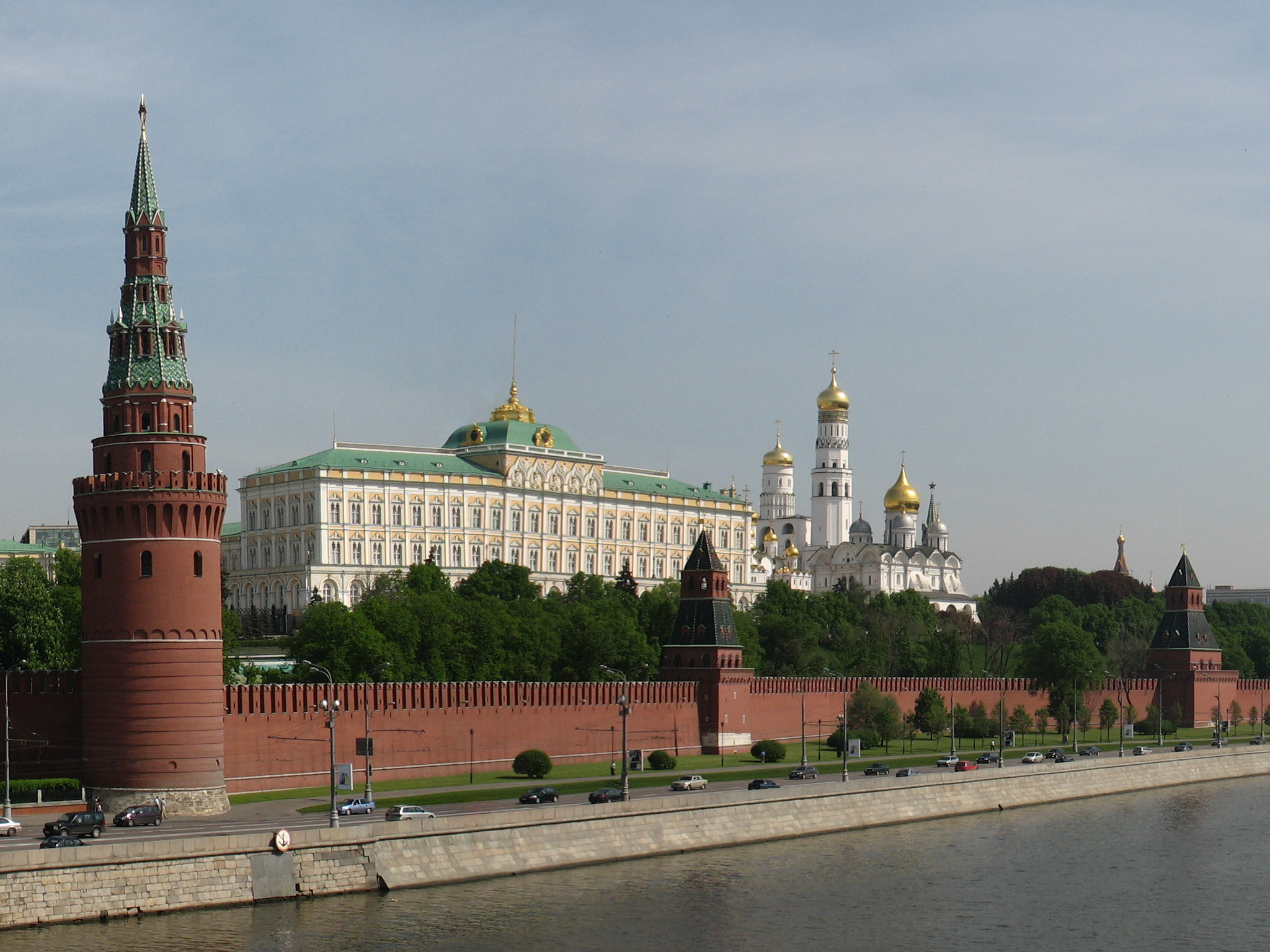
Cover image: The Moscow Kremlin seen from the Bolshoy Kamenny Bridge. Photo by Julmin (retouched by Surendil) via Wikimedia Commons, CC BY-SA 1.0.
By W. Soares
Educational content only. Nothing here is investment advice.