Democrats' congressional stock trading ban: how it would work, and whether it covers the president
6 min readBy W. Soares
Incoming Democrats want a stock trading ban early in 2027. A House rule could start on day one but covers only House members. A law could reach the president but needs 60 Senate votes and a signature.
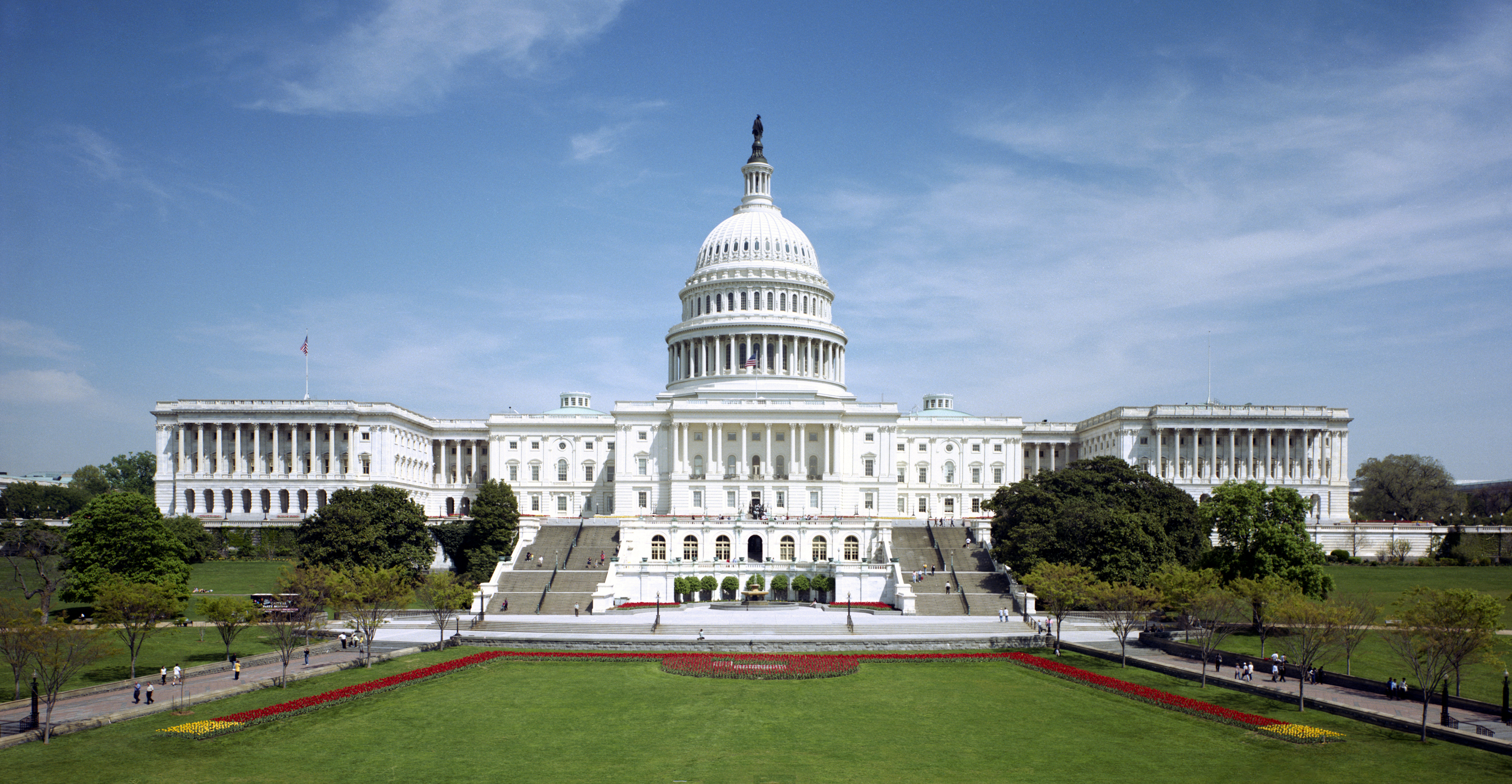
Democrats who take control of Congress in January say a ban on stock trading by members of Congress will be one of their first moves. House Democratic Leader Hakeem Jeffries put it on his priority list, and 51 incoming House Democrats want it written into the House rules on day one. The open question is how far the ban reaches, including whether it would cover the president. The answer depends on which vehicle Democrats use.
Who is pushing it
- Jeffries. "We have to make sure that we're cleaning up the mess here in the Congress with the executive branch and at the Supreme Court and that should begin by prohibiting members of Congress from trading stocks," Jeffries told reporters, Reuters reported via The Independent. Bloomberg Government reported it wasn't clear whether Democrats would include the president.
- Incoming freshmen. Fifty-one incoming House Democrats wrote to Jeffries, Whip Katherine Clark and other leaders on Thursday, November 12. They asked the House to adopt a rule on the first day of the new Congress barring members and their spouses from owning and trading individual stocks, States Newsroom reported via New Jersey Monitor. "Nobody should leave Congress with millions more in their bank accounts," the letter said.
- Senate Democrats. Sen. Brian Schatz, set to become the second-ranking Senate Democrat, said: "I can confidently say that we want to do a congressional stock trading ban," per Reuters.
- Some Republicans. Sen. Josh Hawley said he backs a ban: "Absolutely. It's my bill that's currently pending" in the Senate, per Reuters. Rep. Chip Roy, in a House floor speech on November 12, urged Republicans to pass one in the lame-duck session: "We could pass a congressional stock trading ban. We should do that," he said, adding: "In this lameduck, right now, we should finish the job and pass a ban on congressional stock trading," according to the Congressional Record.
Vehicle 1: a House rule (day one, House only)
A rule adopted in the House rules package at the start of the 120th Congress could take effect right away. It doesn't need the Senate or the president's signature. But a House rule binds only House members, and under the freshmen's proposal, their spouses. It can't reach senators, the president or the vice president.
Vehicle 2: legislation (broader, but needs 60 Senate votes and a signature)
A law could cover more people, but it has to pass both chambers. In the Senate, that generally means 60 votes to overcome a filibuster, and the president can veto it. Democrats will hold at least 55 Senate seats, with a possible additional seat pending in Alaska, per Reuters, so they would need at least a handful of Republican votes. Bloomberg Government noted that including the president could provoke Republican opposition or a veto.
Two bills show the range.
The Stop Insider Trading Act (H.R. 7008), Republican Rep. Bryan Steil's bill. The House passed it 232–198 in July, with only 13 Democrats in support, combined with a voter ID measure. According to the House Administration Committee and CNN, it:
- Bars members, spouses and dependent children from buying stock in publicly traded companies.
- Lets them keep stocks they already own. Members must file a public notice 7 to 14 days before each sale.
- Sets penalties of $2,000 or 10% of the investment's value, whichever is greater, plus forfeiture of realized profits.
Senate Democrats blocked it 53–47 on September 30. They said it didn't go far enough and objected to the attached voter ID requirements, CNN reported. Democrats have argued that any ban should also cover the president, the vice president and their spouses, CNN said. The bill's covered group is members, spouses and dependent children.
The HONEST Act (S. 1498), sponsored by Hawley, was reported by the Senate Homeland Security and Governmental Affairs Committee in amended form in December 2025. The reported text defines covered persons as members of Congress, the president and the vice president. Under that text:
- Covered persons can't buy covered investments, such as individual securities, commodities and futures, from the date of enactment.
- Starting 90 days after enactment, they can't sell them either, except when divesting as directed by their ethics office.
- Diversified mutual funds and diversified ETFs are allowed.
- For officials already in office when the law takes effect, the divestment requirement and the rules for spouses and dependent children start when the official begins a new term.
- A 90-day cooling-off period applies after leaving office.
That last timing point matters for the question of the president. As written, the bill would bar a sitting president from new purchases right away. Its divestment and spouse provisions would apply only once a president begins a new term.
So, does it cover Trump? A House rule would not. The House-passed Republican bill does not include the president. The Senate HONEST Act text does include the president, with the timing above. Punchbowl News reported that House Democrats are vowing legislation that would cover lawmakers, the president and the vice president, but Democrats haven't released final text.
Trump's own trading, for context
President Trump's financial disclosures show active trading in his accounts. His filing for August, released October 8, listed 517 purchases and sales totaling roughly $74.3 million to $273.3 million, by CNBC's analysis of the reported value ranges. That included up to $25 million of Meta stock. His 2025 annual disclosure showed more than 21,000 securities trades, CNBC reported.
The White House said Trump does not direct the trades. Spokesman Davis Ingle told CNBC the portfolio is independently managed through discretionary accounts and computer-based models, with "no ability" for Trump or his family to influence investment decisions. CNBC noted that recent presidents generally divested individual stocks or used blind trusts or diversified funds.
Takeaway
A House-only rule could ban stock trading by House members and spouses on day one in January, but it stops at the House. Reaching senators, the president and the vice president takes a law, which means 60 Senate votes and a presidential signature. The bills already on the table differ sharply on who's covered and when. Watch for whether Democrats' text matches Hawley's HONEST Act or goes further.
Sources
- Congressional Stock Trading Ban Makes Democrats' Priority List: Bloomberg Government, November 12, 2026
- Incoming US House members call on Dem leaders to institute a stock trading ban: States Newsroom via New Jersey Monitor, November 13, 2026
- Democrats detail 'must-have' victories in 2027: Reuters via The Independent, November 13, 2026
- Democrats move to ban congressional stock trading: Punchbowl News, November 9, 2026
- Congressional Record, House, November 12, 2026 (Rep. Roy): U.S. Government Publishing Office
- House Passes Chairman Steil's Stop Insider Trading Act: Committee on House Administration, July 22, 2026
- Senate Democrats block bill to restrict lawmaker stock trading: CNN, September 30, 2026
- S. 1498, HONEST Act (reported in the Senate): U.S. Government Publishing Office
- Trump bought up to $25 million in Meta and millions in SpaceX debt in August: CNBC, October 8, 2026
Cover image: The dome of the U.S. Capitol. Photo by Diliff via Wikimedia Commons, CC BY 2.5.
By W. Soares
Educational content only. Nothing here is investment advice.